Cloud cost mistakes and how to avoid them!

Accountancy practice management software has come a long way. Today, features like automated billing and reconciliations are easily integrated into the day-to-day practice workflow of Wolters Kluwer Tax & Accounting UK customers.

Our employees work side by side with our customers to create and manage these solutions – driven by a deep understanding of their needs and addressing the rapid changes in their environment.

However, it’s often hard to look beyond improving performance in day-to-day operations. Amid Brexit, the COVID-19 pandemic and other disruptions, accountancy practices and their clients are dealing with an unpredictable economic landscape. Future business planning can appear daunting.

However, technology can support accountancy practices (and their clients) in making informed business decisions, and planning for the future. In the first part of our Accountancy Practice Management for Future-Fit Growth series, we’ll explore how they can use technology to define and easily track Key Performance Indicators (KPIs). Doing so gives practices closer control of performance tracking, and deeper insights that will inform strategic growth plans.

Saving Time

For several decades, business technology platforms have enabled practices to track performance metrics that they have customised. This highlights areas that qualify for improvement and underpins strategic planning.

Contemporary technology, such as CCH KPI Monitoring, makes setting up KPIs faster and easier for accountancy practices than ever before. This is vital today. The current business landscape demands that firms assess and amend KPIs more frequently, based on fresh market variables. KPIs such as client retention rate and business time-to-recovery have become increasingly prominent performance indicators in the past year. If clunky technology makes KPI management difficult, practices have less time and insight to plan future growth.

Reducing Risk
CCH KPI Monitoring makes it far easier to track KPIs and report on them. This is fundamental in minimising risk. For example, if a KPI is set to track and escalate debt filtered by overdue dates, the ability to easily set alerts and automatically generate reports is critical to practice performance management.

Some practices are manually running monthly reports to measure KPIs. Others are running real-time reporting engines, a key feature of CCH KPI Monitoring. This latter solution allows practices to review essential data at any time – covering both performance management and compliance requirements. They can do so remotely or on-premise.

This means that firms can assess issues before they become problems, and thus act proactively. Real-time reporting is a true asset in building a future-fit practice.

The Proof is in the Practice
A number of Wolters Kluwer customers have been using CCH KPI Monitoring for several years now. Our customers look to us when they need to be right. Ryecroft Glenton has successfully integrated CCH KPI Monitoring with its own system. This consolidates information from several sources, including CCH Central and CCH Practice Management.

“We can use the year end date to trigger a sequence of reminders. Have we asked for the books? Have they been received? If a request to a client has been outstanding for a certain period, the partner will receive an alert via email. For limited companies, we can monitor the corporation tax and Companies House filing deadlines – as well as the different deadlines for pension schemes”

– Ian Smith, partner at Ryecroft Glenton

Corporate events agency who benefited from greener graphics initiative

“Apogee are not just aprinting company, theyconsult with us and go onto deliver a full end to endservice from concept toinstallation. They go aboveand beyond and we lookforward to continuing ourjourney with them”

Corporate events agency who benefited from greener graphics initiative

“Apogee are not just aprinting company, theyconsult with us and go onto deliver a full end to endservice from concept toinstallation. They go aboveand beyond and we lookforward to continuing ourjourney with them”

Corporate events agency who benefited from greener graphics initiative

“Apogee are not just aprinting company, theyconsult with us and go onto deliver a full end to endservice from concept toinstallation. They go aboveand beyond and we lookforward to continuing ourjourney with them”

Corporate events agency who benefited from greener graphics initiative

“Apogee are not just aprinting company, theyconsult with us and go onto deliver a full end to endservice from concept toinstallation. They go aboveand beyond and we lookforward to continuing ourjourney with them”

Cloud costs have moved beyond IT and are now a board-level issue. As firms move more workloads to the cloud and adopt AI-driven services, spending is rising fast and becoming harder to predict.

Costs can spike overnight, eroding margins and confidence. Boards now expect clarity, accountability, and a clear link between cloud investment and business value.

Here are the most common pitfalls we see, why they happen, and how you can avoid them.

Surprise bills from forgotten systems

It’s a classic: a test environment left running over a holiday, or a virtual machine that nobody remembers to switch off. The result? A nasty surprise when the invoice lands.

Why it happens: Lack of automated alerts, unclear ownership, or poor tagging.

How to avoid it: Ensure you have proactive monitoring and governance that catches issues before they hit your budget.

Missing out on discounts

Many firms run predictable workloads 24/7 but stick with pay-as-you-go pricing, missing out on significant savings.

Why it happens: No one reviews usage patterns, or finance and IT don’t communicate.

How to avoid it: Adopt a structured approach to cost optimisation that aligns technical usage with financial strategy.

No clarity on who spent what

When the cloud bill arrives as a single lump sum, it’s impossible to know which team or project is responsible for what.

Why it happens: Tagging isn’t enforced, or naming conventions are inconsistent.

How to avoid it: Implement a robust cost attribution framework that makes accountability clear across the organisation.

Reporting takes too long

Finance and IT teams often spend days each month wrangling data from multiple portals and spreadsheets.

Why it happens: Relying on native cloud tools, not using automation.

How to avoid it: Move to an integrated reporting model that delivers real-time insights without manual effort.

No one owns it

If no one feels responsible for cloud overspend, it’s easy for costs to spiral.

Why it happens: No showback or chargeback, or unclear roles.

How to avoid it: Establish clear accountability structures supported by transparent reporting and governance.

AI costs are spiralling

The mistake: As AI workloads grow, firms lose track of where spend is going and what’s driving it.

Why it happens: AI pricing is unpredictable, and traditional reporting doesn’t break down costs by AI project or model.

How to avoid it: Build visibility into AI-related costs with frameworks that link spend to business outcomes.

How Quorum and CloudCost iQ Can Help

CloudCost iQ is designed to address exactly these challenges. It’s a managed service built on FinOps principles, not just a dashboard.

Managing cloud costs should help you build confidence that every pound spent delivers value. CloudCost iQ provides:

Unified visibility across all clouds – A single dashboard for Azure, AWS, and beyond, so nothing is hidden.

Business-focussed reporting – Costs mapped to projects, departments, and services, making accountability clear.

FinOps best practice built-in – Aligning finance, IT, and business teams around shared goals.

Actionable insights, not just data – Highlighting inefficiencies and opportunities for optimisation.

Expert guidance – Our team works with you to interpret the data and turn insight into measurable savings.

Get in touch today – https://bit.ly/CloudCostiQ-Request

Dec 2025

Shaping a Culture That Supports Smarter Information Governance

Many organisations invest significant time and effort developing information governance policies. They run training, communicate expectations, and secure leadership support. On paper, everything looks ready for success.

Data security, scenario planning, and sleeping well at night

Advancetrack outlines some of the first steps that an accountancy practice should take to manage internal IT security. We also chat to CTO Ian Gregory about Advancetrack’s approach to mitigating IT risk.

From Data Bog to Capacity Lake: Integrating Systems for AI-Ready Scheduling

Most firms are still somewhere on their cloud adoption journey, but whether fully on-prem, cloud, or a blend - key data about people, clients, and projects are not fully connected. This presents a missed opportunity in not using this data to improve how the firm runs. Not the cliche of “actionable insights” from reporting, but using the data operationally to deliver more work, with more profit.

Finding Truth in Time: Inside CloudCapcha’s Vision for High-Performing Accounting Firms

CloudCapcha is inviting accounting leaders to rethink not just how time is captured, but what that data can reveal about performance, profitability and firm-wide efficiency.

Internal blind spots threaten accountancy growth as firms fail to hit revenue targets

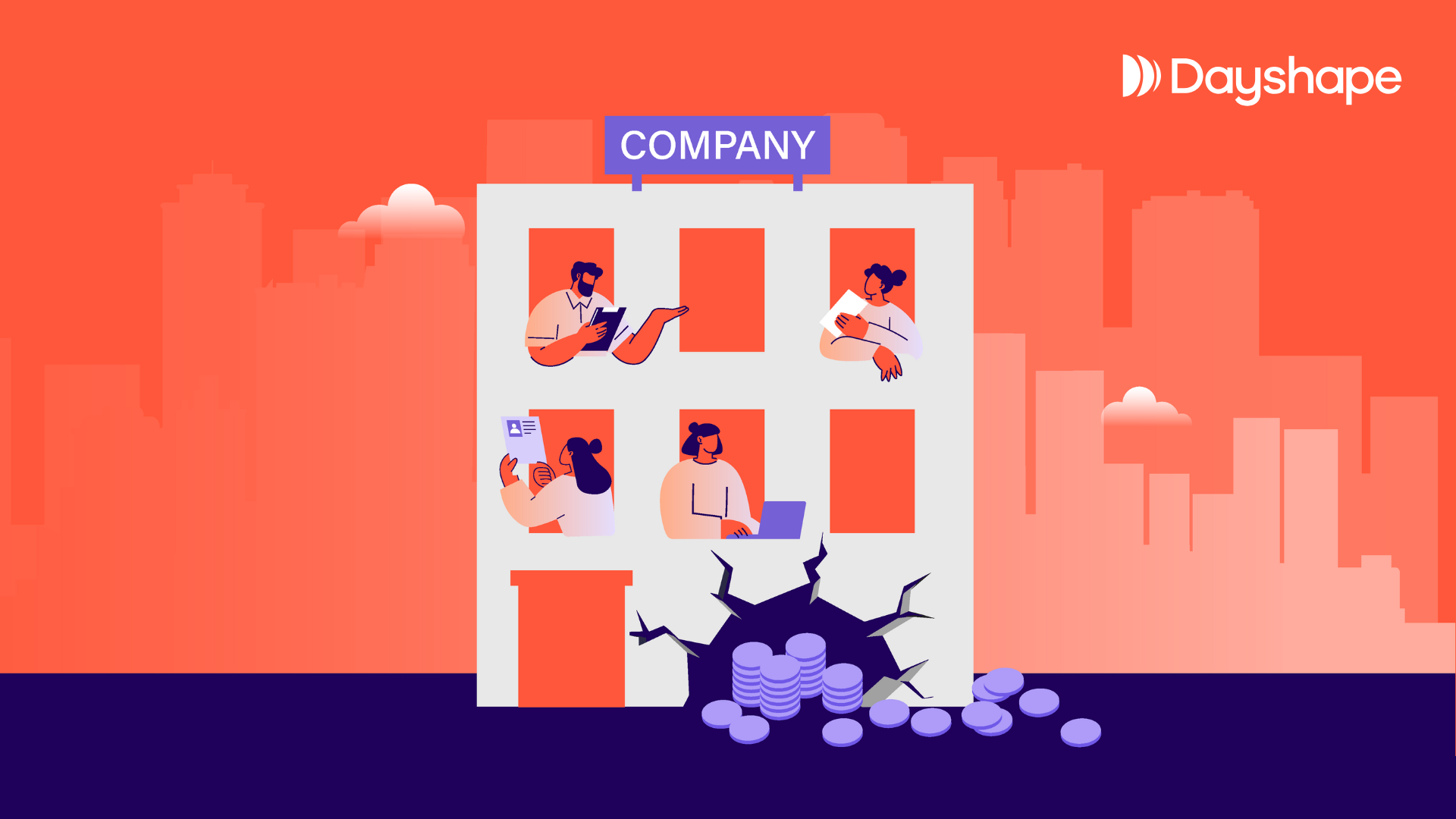
Professional services firms, including those in accountancy, are leaving growth on the table. Our latest report, Inside the leadership growth agenda reveals that one of the greatest threats to growth isn’t market volatility or client demand, but internal inefficiencies that can be controlled and fixed.

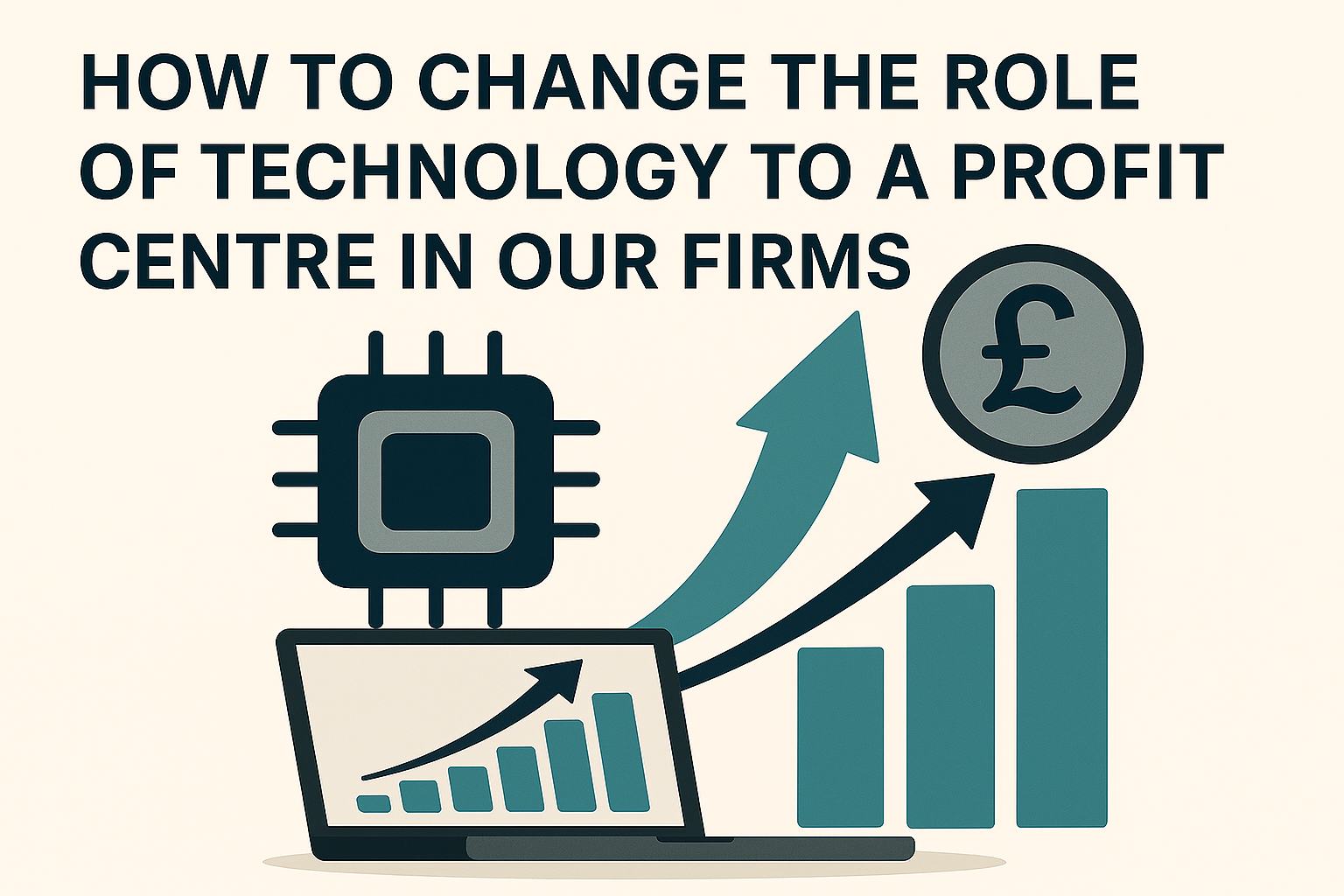
How to Change the Role of Technology to a Profit Centre in our Firms

Often our work involves looking at the structure of technology functions within firms, and so for this article I thought I’d share our current thinking on optimal arrangements. The example I am using is split-out for larger firms, but for smaller firms the approach remains valid, just with some roles collapsed to fewer people.